



In English | ISSUE 3/2026
Observations of the biological colonization of façades – Abstract
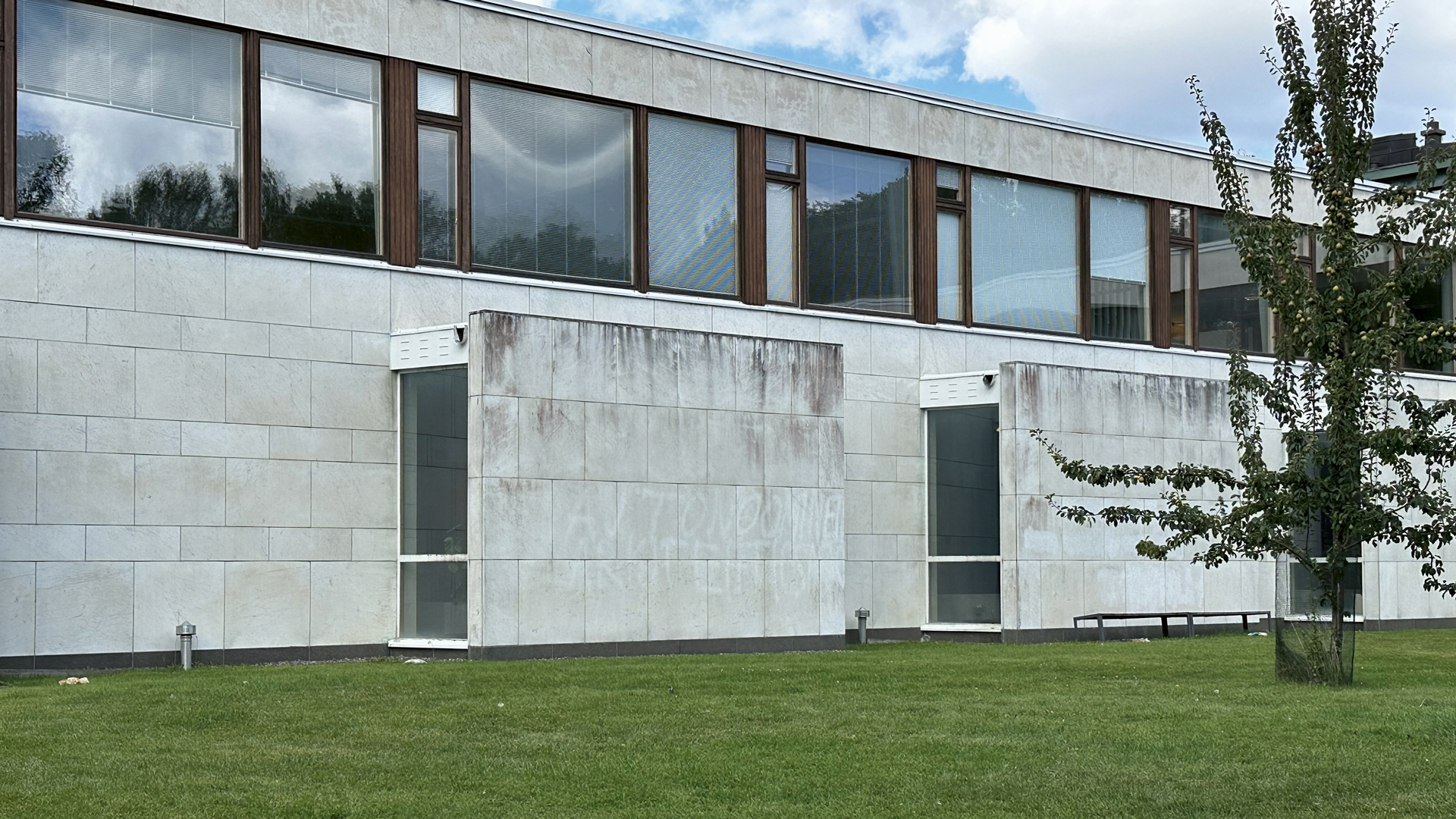
Mikael Nieminen: The biological colonization of façades and its occurrence in Finland
Master’s Thesis, Tampere University
Master’s Degree Programme in Civil Engineering
May 2026
Observations of the biological colonization of façades have been made in Finland, but no local research has been conducted on the growth types, their environmental requirements and effects on the surface material. This master’s thesis investigated the different types, requirements and effects of biological growths on façades along with the occurrence of these growths in Finland. The thesis investigated façades of which’s surface consisted of materials other than wood. The goal of the research was to obtain information on the occurrence and effects of the biological colonization of façades, to be able to utilize the information in the decision-making concerning the built environment.
The properties required of both the environment and surface material for the emergence of biological growth were studied through reviewing literature mostly produced in and concerning Europe. The review revealed that the most prevalent types of biological growth are biofilms, lichen and moss, and the most important requirement for the occurrence of all of which is the availability of water.
The effects of biological colonization on the façade may include both mechanical and chemical damage. The possible mechanisms of damaging the façade vary between the different types of growth, and since the identification of growth may require genetic analysis, the effects of shall not be generalized based on sensory evaluation. The effects of the most usual growths in Europe have been deemed mostly aesthetic in their nature. Mentions of significant reduction of a façade’s service life caused by biological colonization didn’t occur in this literature review.
The occurrence of the biological colonization of façades in Finland was researched by conducting a comparative observational field study in different geographical locations, in the cities of Tampere and Helsinki. A selection of parameters concerning the environment and façade material were collected of each of the total of 187 façades showing signs of biological colonization. Additionally, a wall index and the annual amount of driving rain affecting the façade were calculated according to SFS EN-15927-3.
The research showed that the biological growth on façades in Finland follows the same basic principles that occurred in European literature. Some differences between Tampere and Helsinki were found concerning the occurrence of the biological colonization of façades, the most prevalent of which being the more abundant occurrence and coverage of growth on the façades located in the research area of Vuosaari, Helsinki. The differences in the annual amount of driving rain affecting the façade were not found to explain the more abundant growth in Helsinki, as the growths were often found on rather sheltered façades.
Therefore, the differences between the growth in the different geographical locations may likely be related to the higher annual mean temperature or the effects caused by the proximity of the sea.