In English | ISSUE 3/2025

Brick size and the effects on functionality of brick façade

Brick size and the effects on functionality of brick façade
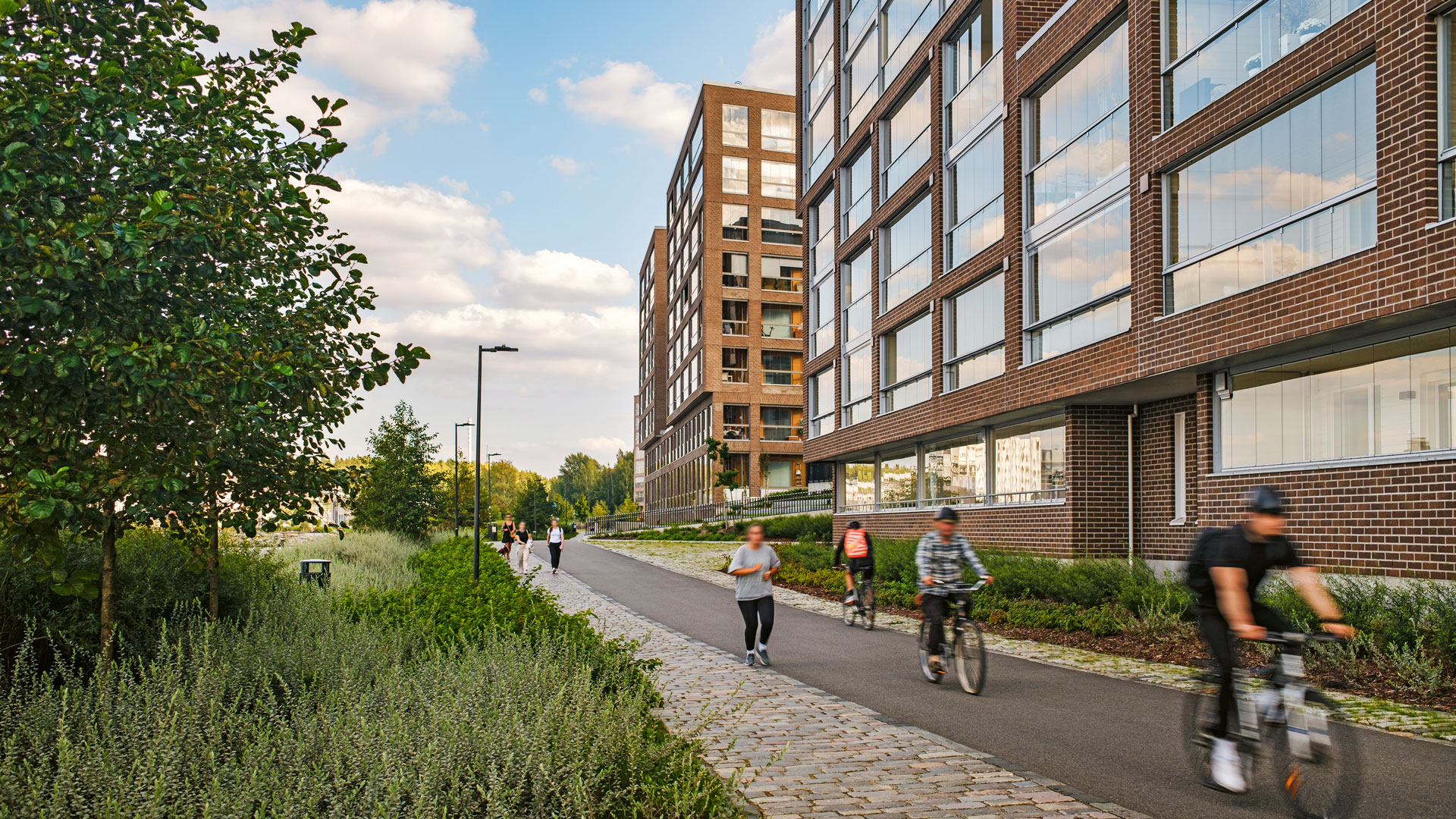
Photo credit: Kuvio Oy / Rakennusteollisuus

This study investigates the reasons behind the brick thickness used in Finland’s brick veneer construction and examines how using thinner bricks would affect rainwater penetration, building physical performance, load-bearing capacity, and environmental impact. The study highlights the challenges with rainwater penetration through brick veneers and the importance of moisture performance in Wall structures.

Key findings include:

Brick Veneer Practices: Other countries, including those with higher wind-driven rain loads, do not use bricks as thick as those in Finland. Instead, they design wall structures to allow water to exit without causing damage.

Environmental Impact: Using thinner bricks (110 mm instead of 135 mm) could reduce CO2 emissions by approximately 19% per square meter of brick veneer.

Moisture Performance: The thickness of the brick veneer does not significantly affect the amount of water seeping through but can impact the moisture load of the inner wall structure.

Construction Quality: Defects in head joints and errors in bricklaying are the most influential factors in rainwater penetration 4. Functional wall structures can be achieved with adequate ventilation and moisture-resistant materials, regardless of veneer thickness.

Read the entire article in Finnish and see the images >>