


In English | ISSUE 4/2023
Abstract
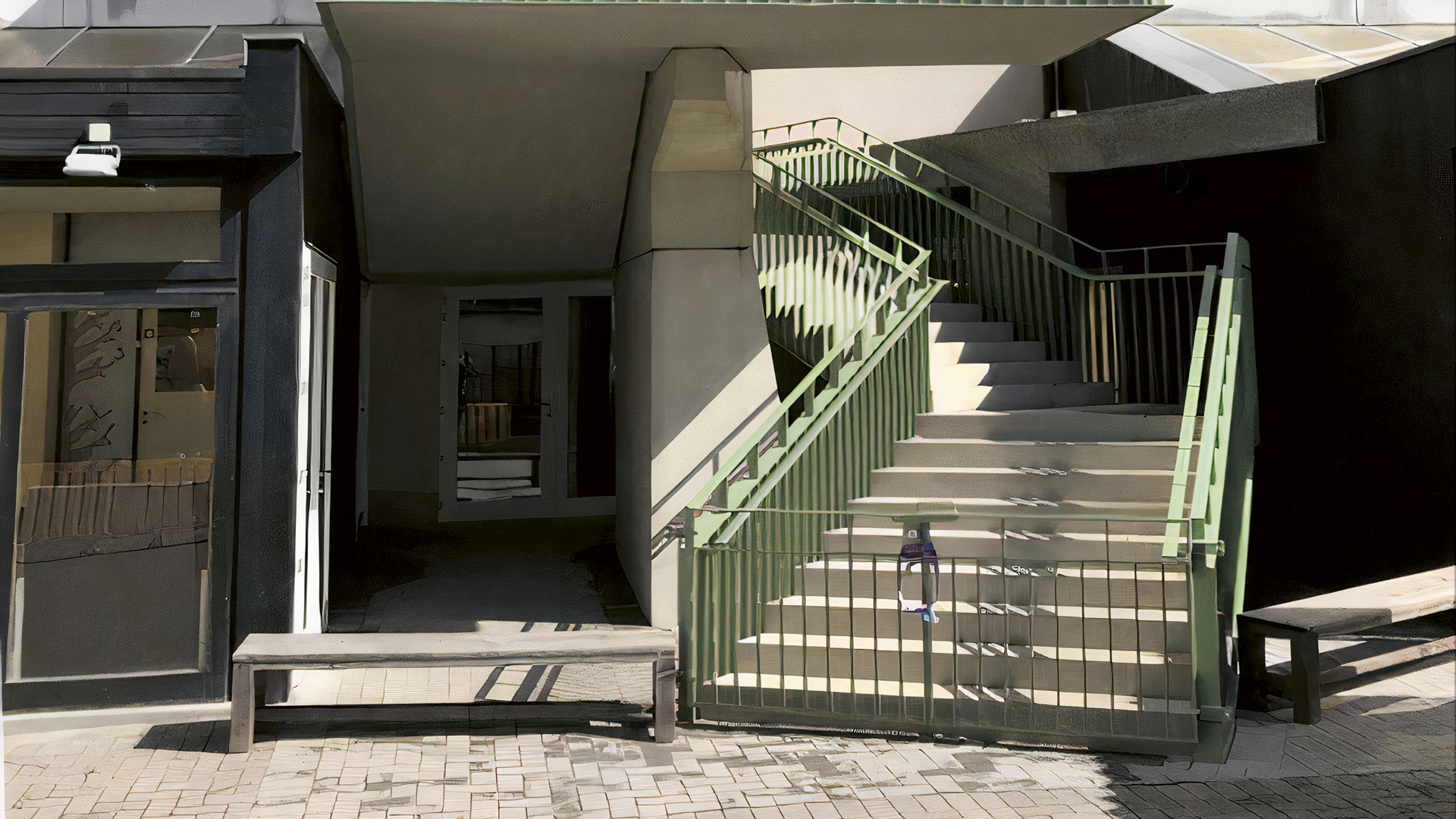
The construction industry is shifting towards sustainability, driven by growing environmental concerns and innovative practices. Among the emerging solutions, alternative binders such as alkali-activated materials (AAMs), or geopolymers, have gained significant attention for their low-carbon footprint and customisable properties. This research conducted at the University of Sheffield explores the challenges and opportunities in alkali-activation technology, highlighting the need to explore diverse industrial by-products as alternative precursors. The study, conducted under the Interreg NWE URBCON project, investigates the use of waste materials from various industries as potential precursors for alkali-activated cements. The main findings emerging from this work regard i) the reactivity of calcined waste clays, ii) the potential of basic oxygen furnace (BOF) as a valuable additive in alkali-activation, iii) electric arc furnace (EAF) slag as a stable filler, and iv) the potential of copper slag (CS) as a valuable precursor. This work also explores the incorporation of AAMs in real-world construction projects through the EU Interreg NWE URBCON project. Pilot projects in Rotterdam, Ghent, and Westerlo demonstrate the viability of alkaliactivated concrete in replacing traditional Portland cement. These projects demonstrate the versatility and environmental benefits of AAMs, incorporating waste aggregates and minimising raw material consumption. Specific case studies include the replacement of a pedestrian bridge in Rotterdam, the addition of a fire escape staircase in Ghent, and the integration of alkali-activated concrete in the construction of a circular building in Westerlo. The projects showcase successful applications of alkali-activated materials in diverse structural elements, also contributing to the ongoing effort to establish benchmarks for the broader adoption of AAMs. While the research indicates promising applications, it also highlights the importance of developing standards to ensure the consistent performance and durability of alkali-activated concrete across various projects. Collaborative efforts within the URBCON project and the wider scientific community aim to establish a universally accepted framework for the integration of AAMs in construction.
For information:
https://vb.nweurope.eu/projects/project-search/urbcon-by-products-for-sustainable-concrete-in-the-urban-environment/